Why Your Enterprise Needs a Modern Tech Stack
Build competitive advantage through strategic technology modernization and platform thinking.
Legacy technology isn’t just a technical problem—it’s a business problem. Organizations running on outdated platforms face higher costs, slower innovation, increased security risk, and difficulty recruiting top talent.
The True Cost of Legacy Technology
Visible Costs
- Maintenance contracts (often 20-25% of original software cost annually)
- Escalating support costs as vendor expertise diminishes
- Compliance and security patches
- Workarounds and custom code to fill gaps
Hidden Costs
- Developer time spent on maintenance (40-60% of effort on legacy systems)
- Opportunity cost of slow feature delivery
- Lost revenue due to extended time-to-market
- Talent retention (developers don’t want to work on legacy systems)
- Security debt (legacy systems often lack modern security)
Typical Legacy System Profile
- Average age: 10-15 years
- Annual maintenance cost: 15-25% of original purchase price
- Development velocity: 30-50% slower than modern systems
- Time to add new feature: 2-3x longer than greenfield equivalent
- Security incidents: 2-4x higher than industry average
The Modern Tech Stack Opportunity
What Makes Technology “Modern”?
Principle 1: Elasticity
- Scale automatically based on demand
- Pay only for what you use
- No over-provisioning for peak capacity
Principle 2: Composability
- Build from modular, best-of-breed components
- Avoid monolithic, tightly-coupled systems
- Enable teams to move independently
Principle 3: Observability
- Built-in monitoring, logging, and tracing
- Data-driven understanding of system behavior
- Quick diagnosis and resolution of issues
Principle 4: Velocity
- Deploy multiple times daily
- Rapid experimentation
- Quick feedback loops
Principle 5: Automation
- Infrastructure as code
- Continuous integration and deployment
- Reduced manual operations
Common Legacy System Patterns & Modern Replacements
Pattern: Monolithic ERP
Legacy example: SAP, Oracle ERP deployed once, customized extensively
Problems:
- Cannot scale individual components
- Entire system down for updates
- Slow innovation velocity
- Vendor lock-in
Modern replacement:
- Modular suite of cloud-native applications
- Each module scales independently
- Continuous deployment without downtime
- Vendor choice for best-of-breed solutions
Typical result: 40-50% faster innovation, 30-40% lower TCO
Pattern: Custom-Built Core Systems
Legacy example: Decades-old internal platform built on legacy tech
Problems:
- Known only by few developers (bus factor)
- Technical debt compounds annually
- Difficult to recruit talent for
- Security vulnerabilities difficult to patch
Modern replacement:
- Microservices architecture
- Cloud-native platform services
- Open-source or commercial alternatives
- Smaller core, more plug-and-play components
Typical result: 50-70% reduction in maintenance cost, faster delivery
Pattern: Data Warehouse
Legacy example: Oracle Data Warehouse, SAS, on-premise analytics
Problems:
- Batch processing creates data latency
- Scaling requires exponential cost
- Talent shortage for legacy tools
- Limited analytics capabilities
Modern replacement:
- Cloud data lake (Snowflake, Big Query, Databricks)
- Real-time streaming pipelines
- AI/ML capabilities built-in
- Elastic scaling
Typical result: 50-70% cost reduction, 10x faster data access
Building Your Modern Stack
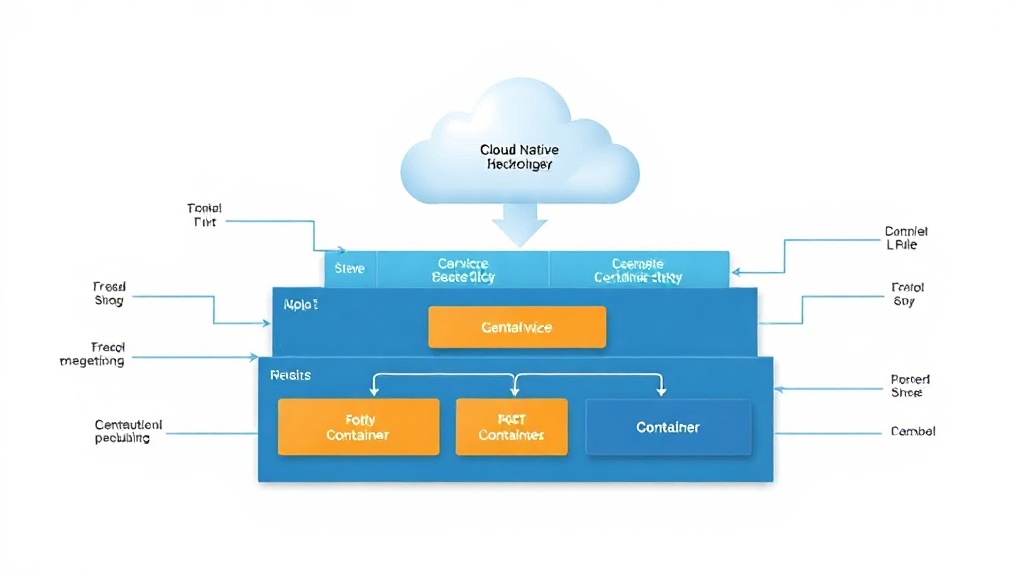
Principle 1: Cloud-Native Foundation
- All new systems in cloud
- Microservices over monoliths
- Containers over VMs
Principle 2: API-First Architecture
- Services communicate via APIs
- Enable system integration without code changes
- Allow independent scaling and deployment
Principle 3: Data as Strategic Asset
- Central data platform
- Unified analytics
- Self-service data access
Principle 4: Automation Everything
- Infrastructure as code
- Continuous integration/deployment
- Observability and alerting
Principle 5: Product Mindset
- Internal platforms as products
- Developer experience matters
- Continuous evolution
Modernization Roadmap
Phase 1: Strategy & Assessment (Months 1-2)
- Business impact analysis (what slows you down?)
- Technology assessment
- Organizational readiness
- Roadmap prioritization
Phase 2: Foundation Building (Months 3-6)
- Cloud landing zone
- CI/CD pipeline
- Data platform foundation
- Cloud governance and security
Phase 3: Selective Modernization (Months 7-18)
- Retire select legacy systems
- Migrate critical workloads
- Build cloud-native replacements for highest-impact systems
- Achieve early wins to build momentum
Phase 4: Scale & Optimize (Months 18+)
- Remaining legacy system assessment
- Selective retirement or maintenance mode
- Organization optimization (fewer operations staff needed)
- Continuous innovation
Investment Considerations
Year 1 Investment
Typical modernization investment: $2-5M for mid-market organization
- $1-2M: Cloud infrastructure, platforms, licenses
- $0.5-1.5M: Professional services
- $0.5-1M: Internal staff training and reskilling
Year 1-3 Payback
- 30-40% reduction in IT operations costs
- 50-60% faster feature delivery
- 20-30% improvement in system reliability
- Foundation for 5+ years of competitive advantage
Typical ROI: 200-300% within 3 years
The Business Case
Organizations with modern tech stacks show:
- 3-4x faster feature delivery
- 40-50% lower IT operations costs
- 20-30% improvement in system reliability
- 2-3x easier talent acquisition
- 15-25% reduction in security incidents
Why Modernization Matters Today
1. Talent Acquisition & Retention Top engineers want to work on modern stacks. Legacy platforms face 20-30% higher attrition.
2. AI/ML Capabilities Modern data and infrastructure unlock AI/ML. Legacy systems cannot easily integrate these.
3. Cyber Security Modern systems have security built-in. Legacy systems require expensive retrofitting.
4. Competitive Velocity In markets moving 3-4x faster, legacy technology compounds disadvantage.
The Bottom Line
Modernizing your tech stack is not a nice-to-have—it’s a competitive necessity. The cost of maintaining the status quo exceeds the cost of modernization within 3-5 years.
Organizations starting modernization today will have 3-5x competitive advantage within 3 years.
Let’s assess your modernization opportunity and build your strategy.
About This Article
This article is part of Grupo Cidelo's enterprise consulting insights series. We help organizations navigate complex transformations across business automation, enterprise sales, cloud infrastructure, and digital transformation.